

What responsive care means
Therapy for School-Aged Children should be responsive to the person’s development, identity, culture, relationships, communication needs, strengths, and lived experience.
Good care should respond to the person’s goals, development, identity, culture, communication needs, and lived experience.
Therapy for School-Aged Children should be responsive to the person’s development, identity, culture, relationships, communication needs, strengths, and lived experience.
Support for children navigating emotions, behavior, family changes, school, friendships, and development. Support may be adapted through pacing, language, family or caregiver involvement, accessibility, treatment format, and the clinician’s understanding of the client’s context and goals.
Fatimah “Emma” AlMohanna and Michelle Chavez currently list work with this population. Compare the profiles for specialties, approaches, availability, and fit.

Clinical Mental Health Counselor
Fatimah "Emma" AlMohanna is a Clinical Mental Health Counselor and EMDR-trained therapist who provides person-centered, trauma-informed care for clients of all ages. She has a particular interest in helping young children find their voices through play, art, sand tray, and other creative forms of expression.
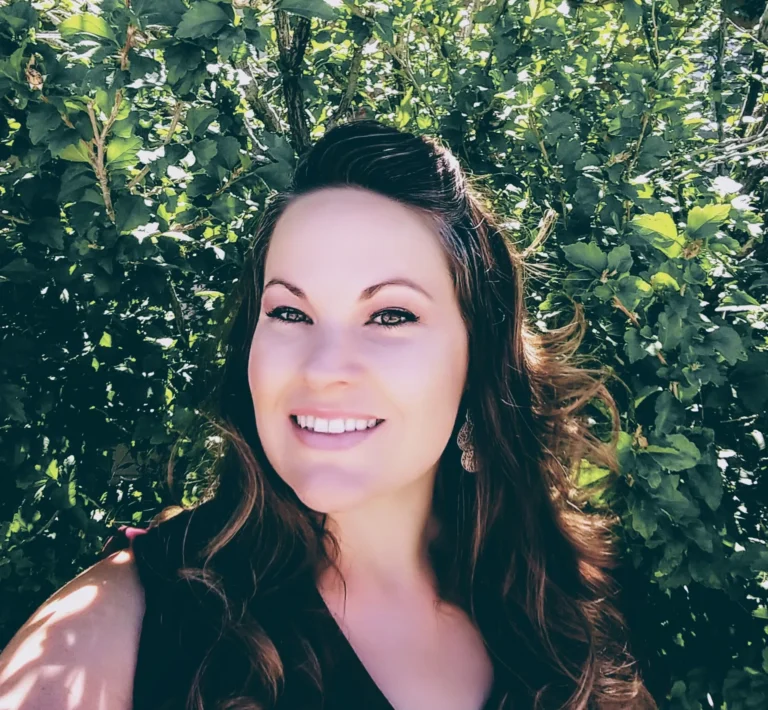
Owner & Licensed Clinical Social Worker
Michelle Chavez is a Licensed Clinical Social Worker and the founder of Prickly Pear Therapy. She provides warm, collaborative care for children, teens, adults, and families, with an emphasis on recognizing each client’s strengths and creating practical paths toward healing and growth.
Insurance: Blue Cross Blue Shield Medicaid Molina Healthcare Presbyterian TRICARE United Healthcare
These answers are a starting point. Contact the practice to confirm what applies to your situation and current services.
Fatimah “Emma” AlMohanna and Michelle Chavez currently list work with this population. Review their profiles for experience, specialties, approaches, and availability.
Support for children navigating emotions, behavior, family changes, school, friendships, and development. Support may be adapted through pacing, language, family or caregiver involvement, accessibility, treatment format, and the clinician’s understanding of the client’s context and goals.
That depends on the client’s age, goals, consent, safety, therapy format, and the clinician’s recommendations. Ask what involvement may be helpful and how privacy will be protected.
Fatimah “Emma” AlMohanna and Michelle Chavez currently list work with this population. Compare the profiles for specialties, approaches, availability, and fit.
You can ask about the clinician’s experience with your age group or community, treatment approach, appointment format, availability, and any accommodations or preferences that matter to you.
Needs and goals can change. Bring that up with the clinician so the plan, pace, family or caregiver involvement, referrals, or other supports can be reconsidered when appropriate.
The general educational information on this page was informed by the public resources below. These organizations do not endorse Prickly Pear Therapy, and these links do not replace individualized medical or mental-health care.
Essential tools keep the website secure and remember this choice. Optional categories remain off unless you allow them.
Security, basic website functions, and the privacy-choice cookie.
Interactive maps, external videos, and optional scheduling widget features.
Optional third-party reports that help the practice understand general website use.
Optional tools that may recognize activity across websites. TherapyBuilt does not add these by default.